$5.00
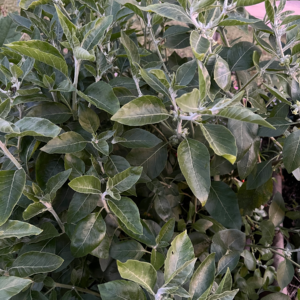
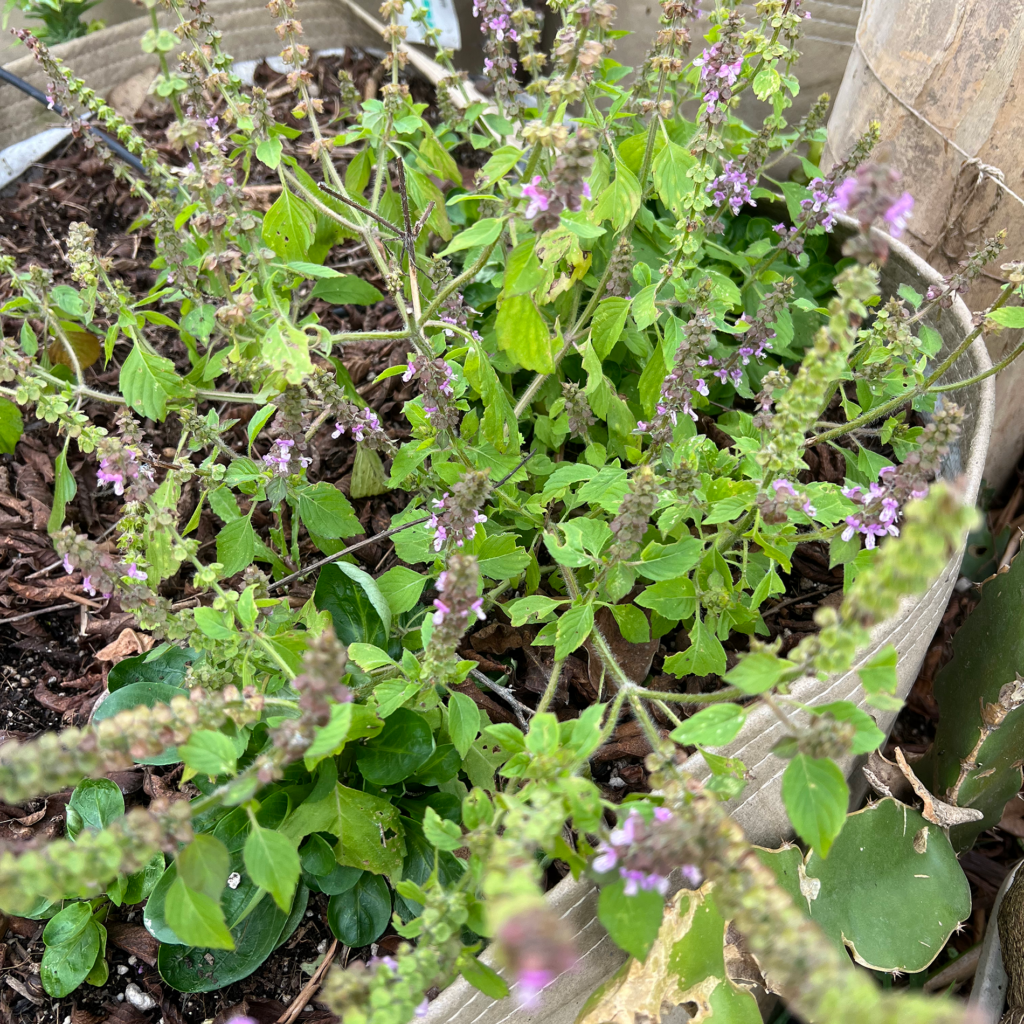
Tulasi is cultivated for religious and traditional medicine purposes, and also for its essential oil. It is widely used as an herbal tea, and is commonly used in Ayurveda.
Holy basil acts as a natural insect repellent, and the juice of its leaves has potent larvicidal properties. Known as ‘Queen of Herbs,’ Tulsi is loaded with phytochemicals like eugenol, rosmarinic acid, apinegin, myretenal, and oleanolic acid, all of which are known to prevent many types of cancers and have impressive antiseptic and analgesic properties.
A handful of seeds from Peter’s garden
** USA Sales Only **
A handful of seeds from Peter’s garden
** USA Sales Only **
Out of stock
Tulasi is cultivated for religious and traditional medicine purposes, and also for its essential oil. It is widely used as an herbal tea, commonly used in Ayurveda, and has a place within the Vaishnava tradition of Hinduism, in which devotees perform worship involving holy basil plants or leaves.
The plant and its oil contain diverse phytochemicals, including tannins, flavonoids, eugenol, caryophyllenes, carvacrol, linalool, camphor, and cinnamyl acetate, among others. One study reported that the plant contains an eponymous family of 10 neolignan compounds called tulsinol A-J.
Tulasi has been used in Ayurvedic and Siddha practices for its supposed medicinal properties.
For centuries, the dried leaves have been mixed with stored grains to repel insects.
The essential oil may have nematicidal properties against Tylenchulus semipenetrans, Meloidogyne javanica, Anguina tritici, and Heterodera cajani.
Holy basil acts as a natural insect repellent, and the juice of its leaves has potent larvicidal properties. Known as ‘Queen of Herbs,’ Tulsi is loaded with phytochemicals like eugenol, rosmarinic acid, apinegin, myretenal, and oleanolic acid, all of which are known to prevent many types of cancers and have impressive antiseptic and analgesic properties.
Benefits
- Immunity booster. Natural antioxidants and micronutrients present in copious amounts in tulsi protect your cells from damage caused by free radicals. In addition to supporting your immune system, its excellent radioprotective abilities prevent cancers. Grind 5–6 leaves of tulsi and consume with a teaspoon of honey every morning to harvest its unparalleled immunomodulatory benefits.
- Prevents flu and other infectious diseases. Tulsi has strong antiviral, antibacterial, and antifungal properties which help in keeping all kinds of infections and contagious diseases at bay. As an anti-allergen, it helps improve symptoms of allergies like runny nose and itchy hives.
- Antipyretic. This wonder herb relieves all kinds of fever and helps you recover quickly. Grind 15—20 leaves of tulsi, sieve its juices, and have it with jaggery twice a day to treat any kind of fever. Another effective way to bring down a high fever is to sip on a piping hot tulsi decoction made by boiling a handful of tulsi leaves (15–20) in water until the water boils down to a half of the pot and then adding a little jaggery to it.
- Anti-inflammatory and analgesic. If you are recovering from a wound or injury, tulsi, with its antimicrobial properties will speed up your recovery by fighting the infections and its anti-inflammatory and analgesic properties will relieve your pain and suffering. If you are tormented by body aches or joint problems, chew 3–5 leaves of tulsi on an empty stomach in the every morning.
- Promotes mental health and well-being. A potent adaptogen, tulsi has the ability to reduce anxiety and mood swings. The rosmarinic acid found in tulsi is a powerful anxiolytic—it soothes the mind, improves sleep quality and promotes general well-being and resilience. In addition to being an effective antidepressant, tulsi also helps improve cognitive function, strengthens and benefits the central nervous system, and improves concentration and multi-tasking abilities. Boil a few leaves in water and add a pinch of rock salt or jaggery to enjoy a relaxing and rejuvenating tulsi tea in the evening.
- A boon for the respiratory system. Drop a few tulsi leaves in your vaporizer and inhale the essence of this magic herb to cleanse, rejuvenate, strengthen and improve your respiratory system. As a powerful expectorant, it is an excellent remedy for cough and for reducing inflammations in the respiratory tract when taken alone or in combination with honey, ginger, or black pepper. In addition, the presence of eugenol in tulsi makes it effective in fighting off any respiratory tract infections and in relieving bronchitis and asthma attacks.
- Helps cardiac health. Tulsi contains active compounds that inhibit the oxidative enzymes responsible for accumulation of plaque in the arteries. Chewing on its leaves helps to balance cholesterol levels, eases hypertension, and improves elasticity of the blood vessels which in turn reduces the chances of cardiac failure and stroke.
- Oral health. Due to its ability to get rid of pathogens, tulsi can be used as an herbal mouthwash to fight tooth decay, gum disease, mouth ulcers and bad breath. A powder made from its dried leaves can be used to massage the gums in order to improve gum health and improve oral health.
- Impact on liver and metabolism. With its potent ability to flush out toxins, tulsi exhibits hepatoprotective properties and is helpful in recovering from fatty liver. It improves metabolism and regulates blood sugar levels which helps in preventing diabetes. In addition to averting grave problems like ulcer and Indigestion, this wonder herb is also helpful in easing other stomach problems like acidity and flatulence.
- Urinary tract problems. Tulsi’s diuretic properties help in recovering from urinary disorders and normalize uric acid levels in the body. Consuming the juice of its leaves with honey is helpful in expelling kidney stones through the urinary tract.
- Healthy skin and hair. Not only does Tulsi juice cure insect bites, skin infections and allergies, but also deep cleanses the skin by removing excess oil, dirt, and impurities from the pores. A face mask made from tulsi leaves curbs acne, blemishes, and blackheads, and reduces wrinkles by improving skin elasticity and texture, and helps in achieving a healthy looking, glowing skin. Problems like dandruff and itchy scalp can also be treated by applying a paste of tulsi leaves.
Ocimum tenuiflorum
A handful of seeds from Peter’s garden
** USA Sales Only **
Out of stock